Invisible Braces: Types, Cost & How to Choose
Compare ceramic, lingual, self-ligating, and clear aligner options. Costs from ₹50,000 to ₹2,00,000 in India — find the right invisible option for your smile.
Invisible Braces: Types, Cost & How to Choose
"Invisible braces" is an umbrella term for any orthodontic system designed to straighten teeth without the look of traditional metal brackets and wires. In India, invisible braces cost between ₹50,000 and ₹2,00,000 depending on the type you choose and the complexity of your case.
Four options fall under the invisible braces category: ceramic braces (tooth-colored brackets), lingual braces (fitted behind the teeth), clear self-ligating braces (bracket-and-wire systems with a transparent design), and clear aligners (removable trays with no brackets at all). Each uses a different mechanism, sits at a different price point, and suits different orthodontic needs.
This guide compares all four options side by side — costs, how they work, what they treat, and how to decide between them. If you're exploring braces treatment in general, start with our pillar guide for the full picture. If you already know you want an invisible option, read on for the comparison.
Key Takeaway: Invisible braces aren't a single product — they're a category of four distinct systems ranging from ₹50,000 to ₹2,00,000. The right choice depends on your case complexity, budget, and lifestyle preferences.
4 Types of Invisible Braces
Ceramic Braces
Tooth-colored brackets that blend with your enamel. Same mechanics as metal braces but far less noticeable. Starting from ₹50,000.
Lingual Braces
Custom brackets bonded behind the teeth — 100% invisible from the front. The most discreet fixed option. Starting from ₹1,00,000.
Clear Aligners
Removable transparent trays with no brackets or wires at all. Popular for mild-to-moderate cases. Starting from ₹80,000.
Self-Ligating (Clear)
Translucent brackets with a built-in clip — no elastic ties needed. Fewer appointments and a cleaner look. Starting from ₹60,000.
Invisible Braces Cost in India: Full Comparison
The table below compares all four invisible braces options on price, visibility, and treatment scope. Costs reflect typical ranges across Indian metros in 2026; your final price depends on case complexity and treatment duration.
| Type | Cost Range (India) | Visibility | Best For |
|---|---|---|---|
| Ceramic Braces | ₹50,000–₹75,000 | Low (tooth-colored) | Moderate-to-complex cases on a mid-range budget |
| Self-Ligating (Clear) | ₹60,000–₹1,00,000 | Low (translucent) | Patients wanting fewer appointments |
| Clear Aligners | ₹80,000–₹1,80,000 | Very low (removable trays) | Mild-to-moderate cases; lifestyle-focused patients |
| Lingual Braces | ₹1,00,000–₹2,00,000 | Zero (behind teeth) | Professionals needing total invisibility |
What drives the price difference? Material cost is one factor — lingual braces require custom-fabricated brackets for every tooth, while ceramic brackets use standardised components. Case complexity matters too: a simple spacing correction costs less than a deep bite requiring 18+ months of treatment. Finally, the aligner brand you choose (Invisalign vs domestic brands) significantly affects the aligner price range.
At Curve Orthodontics, every quote is all-inclusive: brackets or aligners, adjustment visits, X-rays, and retainers after treatment are included with no hidden fees. We also offer zero-cost EMI and payment plans starting from ~₹3,000/month.
For type-specific pricing details, see our braces cost guide and aligners cost guide.
Key Takeaway: Ceramic braces are the most affordable invisible option (from ₹50,000), while lingual braces are the premium choice (up to ₹2,00,000). Always compare all-inclusive pricing — hidden fees can add ₹10,000–₹20,000 at some clinics.
How Each Invisible Braces Option Works
All four systems straighten teeth, but they use fundamentally different mechanisms. Understanding how each works helps you weigh comfort, maintenance, and expected results.
Ceramic Braces
Ceramic braces use polycrystalline alumina brackets bonded to the front of each tooth, connected by an archwire. They work exactly like metal braces — the wire applies continuous force to shift teeth into position — but the brackets match your tooth colour.
Pros: Treat all case complexities; no compliance required (fixed 24/7); proven track record; mid-range cost. Cons: Elastic ties can stain from coffee, tea, or curry (replaced every 4–6 weeks); brackets can chip if you bite hard foods; slightly larger than metal brackets.
Lingual Braces
Lingual braces are custom brackets cemented to the back (lingual) surface of your teeth. Because they face inward, they're completely invisible from the outside. Each bracket is individually fabricated using a digital scan of your teeth.
Pros: 100% invisible; treat moderate-to-complex cases; no compliance needed. Cons: Higher cost (₹1,00,000+); initial tongue discomfort and speech adjustment (1–3 weeks); longer chair time for adjustments; requires a specialist with lingual experience.
Clear Aligners
Clear aligners use a series of removable, transparent plastic trays that are swapped every 1–2 weeks. Each tray applies precise force to move specific teeth. Popular brands include Invisalign and several Indian manufacturers.
Pros: Removable for eating and brushing; most comfortable option; virtually invisible when worn; fewer emergency visits. Cons: Requires 20–22 hours/day wear discipline; not ideal for severe bite issues or complex rotations; attachments (small tooth-colored bumps) may be needed; cost varies widely by brand.
Self-Ligating Braces (Clear)
Self-ligating braces in their clear variant use translucent brackets with a built-in sliding clip instead of elastic ties. The clip holds the wire, reducing friction and often allowing faster tooth movement.
Pros: No elastic ties to stain; fewer and shorter adjustment appointments; may reduce treatment time by 10–20%; cleaner aesthetic than conventional ceramic. Cons: Higher cost than standard ceramic; limited availability of clear self-ligating systems; brackets still visible (though subtle).
Key Takeaway: If you need zero visibility, lingual braces are the only truly invisible fixed option. For removability and comfort, clear aligners lead. For the best balance of aesthetics, effectiveness, and cost, ceramic or clear self-ligating braces are strong choices.
How to Choose the Right Invisible Braces
With four options available, the decision comes down to three factors: what your teeth need, what your lifestyle demands, and what your budget allows.
Start With Your Orthodontic Needs Not every invisible option can treat every case. Severe crowding, significant overbite or underbite, and complex rotations typically require fixed braces — ceramic, lingual, or self-ligating. Clear aligners work best for mild-to-moderate cases: minor spacing, slight crowding, or single-arch corrections. If you're unsure about your case complexity, our guides on crowded teeth, overbite and underbite, and protruding teeth can help you assess.
Factor In Your Daily Life Do you present in meetings or appear on camera regularly? Lingual braces offer total invisibility. Prefer the freedom to eat anything without restrictions? Clear aligners are removable. Play contact sports? Ceramic or self-ligating fixed braces are more durable than aligners during physical activity. Your daily routine matters as much as the clinical outcome.
Match Your Budget Ceramic braces (from ₹50,000) offer the most affordable entry into invisible treatment. Self-ligating clear braces (from ₹60,000) add convenience with fewer visits. Clear aligners (from ₹80,000) provide maximum comfort. Lingual braces (from ₹1,00,000) deliver complete invisibility at a premium. If you're weighing braces against aligners broadly, our braces vs. aligners comparison breaks down the trade-offs in detail.
The Best Approach: A Specialist Consultation The most reliable way to choose is a 30-minute consultation with an orthodontist who offers all four options. At Curve Orthodontics, Dr. Garima Gupta (MDS Orthodontics) evaluates your teeth, discusses your priorities, and recommends the best-fit option — with no obligation.
Key Takeaway: Filter by case complexity first (not all options treat all cases), then narrow by lifestyle and budget. A single consultation with a specialist who offers every type gives you the clearest answer.
Explore Each Invisible Option
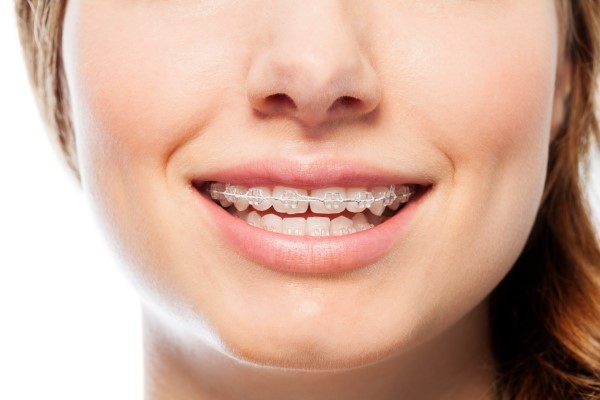
Ceramic Braces
Tooth-colored brackets that blend with your smile. Effective for all case types at a mid-range price point.
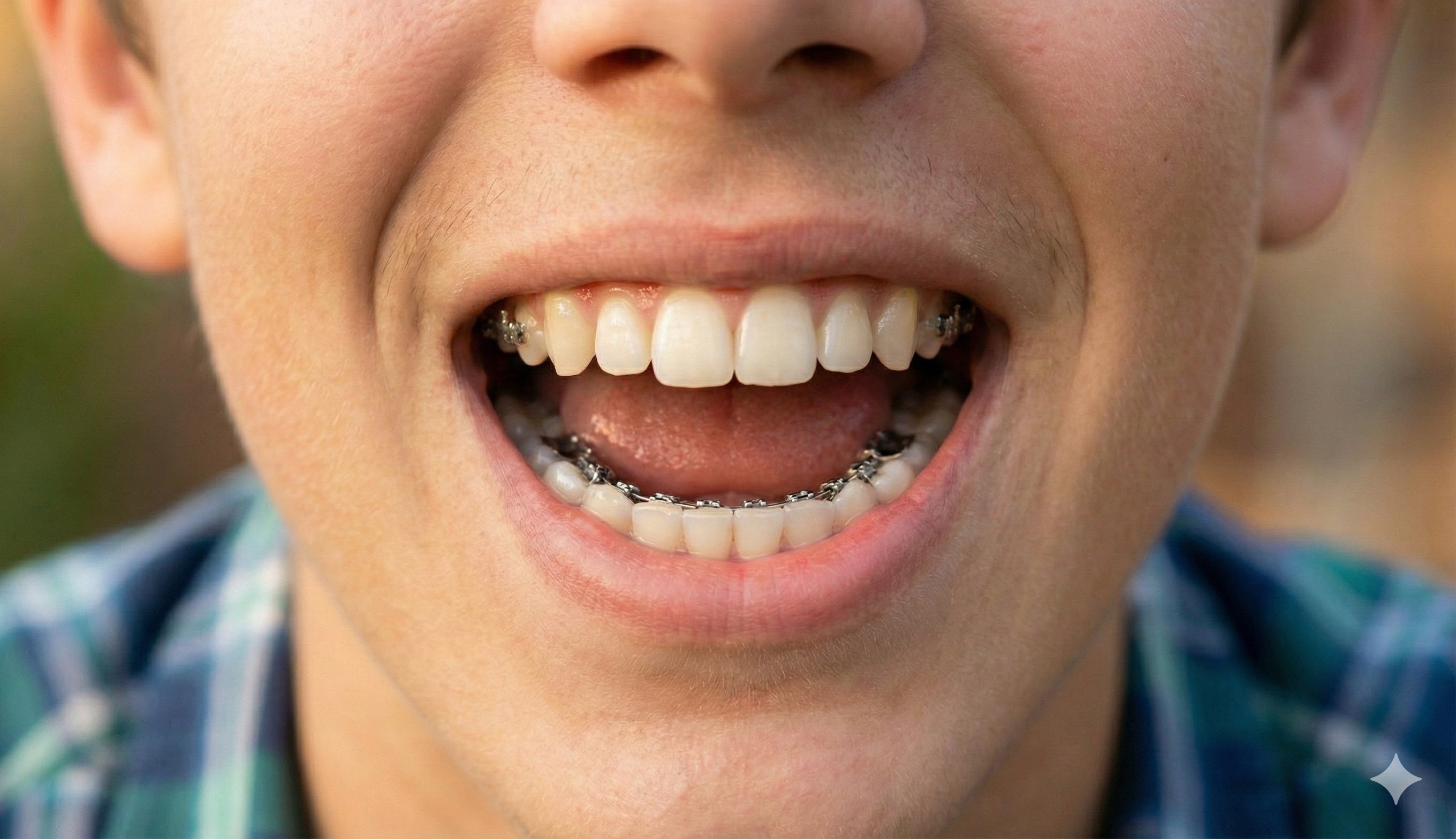
Lingual Braces
Custom brackets behind the teeth for 100% invisibility. The premium choice for professionals and public-facing patients.
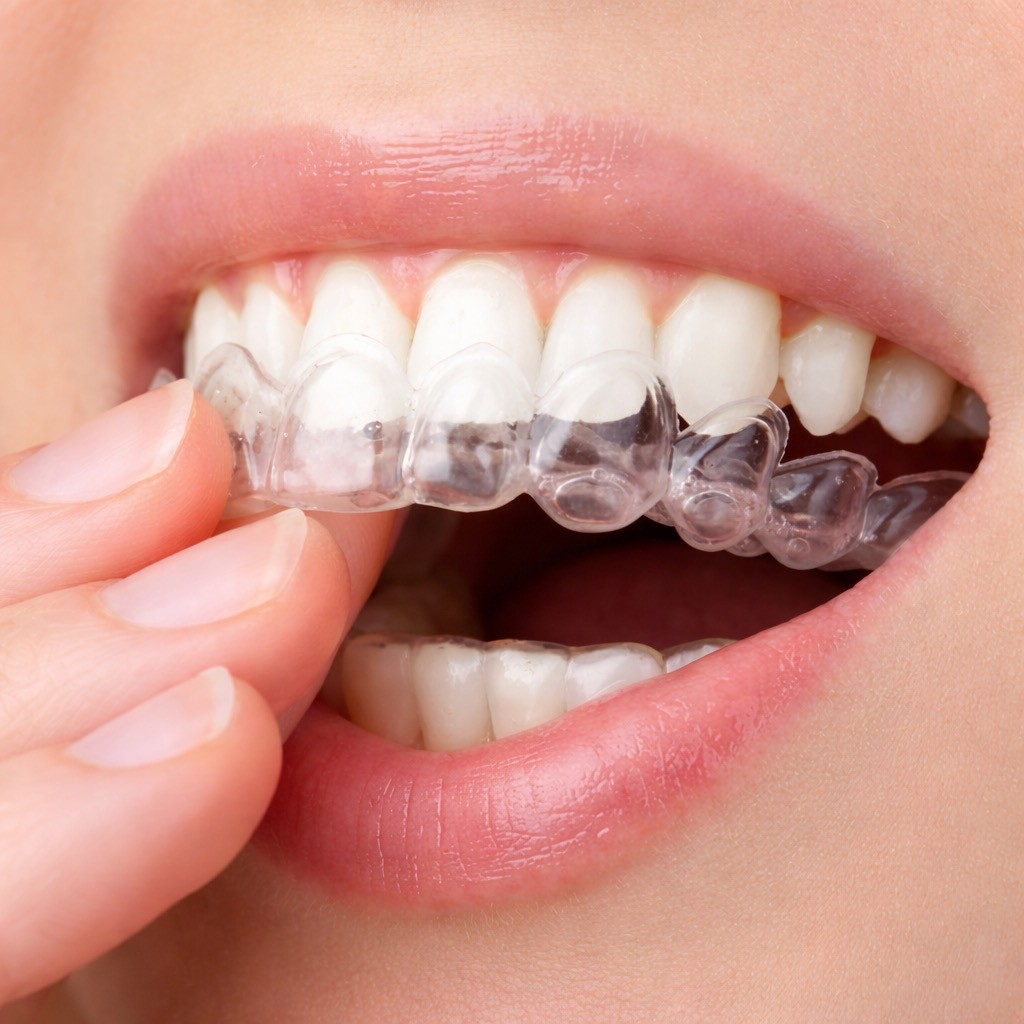
Clear Aligners
Removable transparent trays with no brackets. The most comfortable invisible option for mild-to-moderate cases.
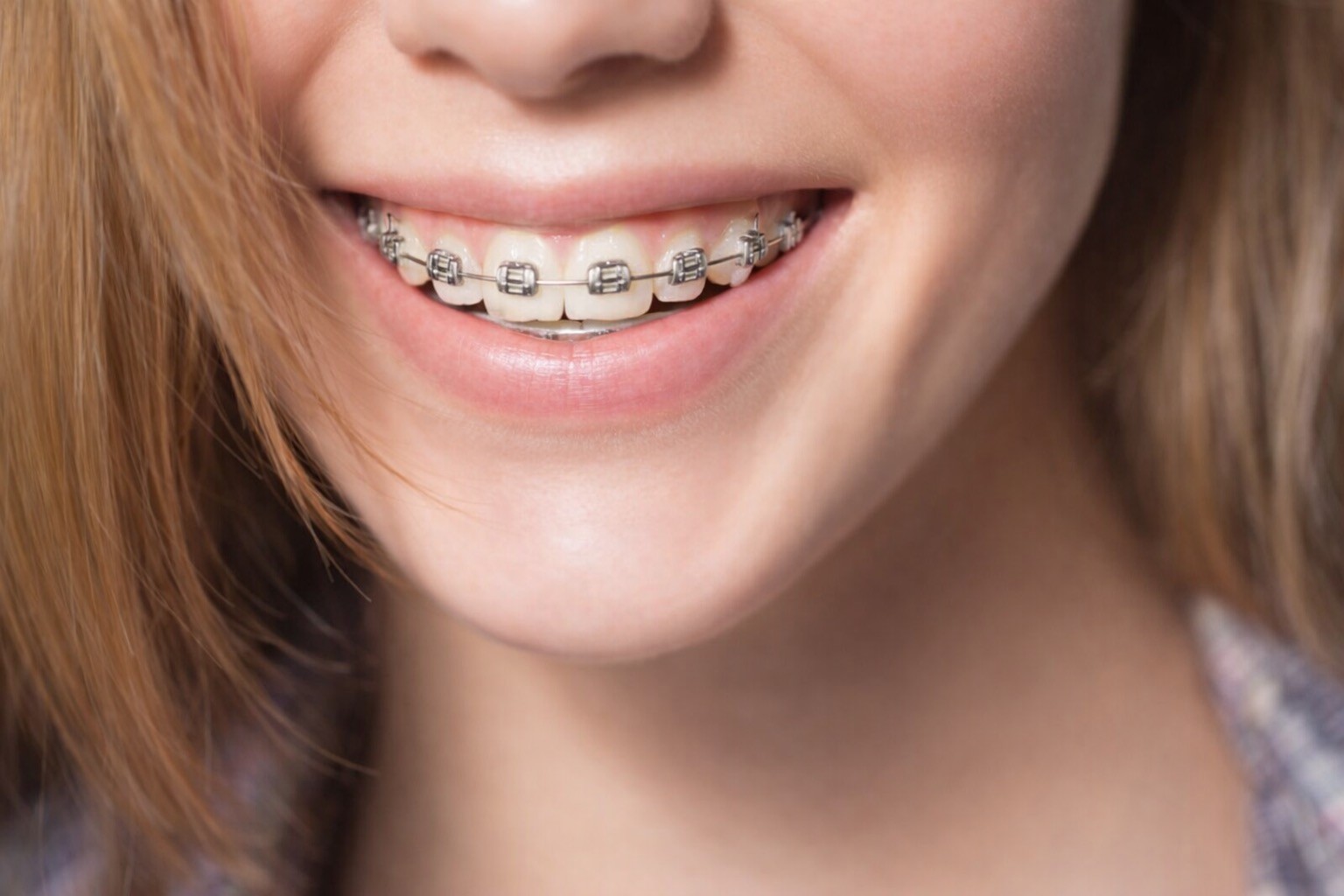
Self-Ligating Braces
Translucent brackets with a sliding clip. Fewer appointments and a cleaner look than conventional ceramic.
Invisible Braces FAQs
How much do invisible braces cost in India?
Invisible braces in India cost between ₹50,000 and ₹2,00,000 depending on the type. Ceramic braces start around ₹50,000, clear self-ligating braces from ₹60,000, clear aligners from ₹80,000, and lingual braces from ₹1,00,000. Case complexity, treatment duration, and the specific brand or system used also affect the final price.
What is the price of invisible braces in Bangalore?
In Bangalore, invisible braces prices are comparable to other Indian metros. At Curve Orthodontics, ceramic braces start from ₹50,000, self-ligating from ₹60,000, and lingual braces from ₹1,00,000. All our quotes are all-inclusive with no hidden fees — covering brackets, adjustments, and retainers. See our [braces cost guide](/pricing/braces-cost-bangalore/) for a full breakdown.
Which invisible braces are cheapest?
Ceramic braces are the most affordable invisible option, starting from approximately ₹50,000 in India. They use tooth-colored brackets that blend with your teeth while providing the same effectiveness as metal braces. If budget is your primary concern but you want a less visible option, ceramic braces offer the best value.
Are transparent braces the same as invisible braces?
"Transparent braces" and "invisible braces" are used interchangeably in common usage, but neither is a specific product. Both terms refer to the category of less-visible orthodontic options: ceramic braces, lingual braces, clear aligners, and clear self-ligating braces. The key is to understand which specific type suits your needs rather than relying on marketing labels.
Can invisible braces fix complex cases?
Yes, but not all types. Ceramic braces and lingual braces can treat complex cases including severe crowding, deep overbite, underbite, and significant rotations — they work just like metal braces. Clear aligners are better suited for mild-to-moderate cases. For complex orthodontic needs, a fixed invisible option (ceramic or lingual) is usually recommended.
Invisible braces vs clear aligners — what is the difference?
Clear aligners are one type of invisible braces, not a separate category. The term "invisible braces" encompasses ceramic braces, lingual braces, clear aligners, and clear self-ligating braces. Clear aligners specifically use removable plastic trays, while the other three are fixed bracket-and-wire systems. See our [braces vs. aligners guide](/aligners/braces-vs-aligners/) for a detailed comparison.
Do invisible braces take longer than metal braces?
Not necessarily. Ceramic and self-ligating braces take the same time as metal braces — typically 12–24 months. Self-ligating systems may even reduce treatment time by 10–20% in some cases. Clear aligners can be faster for simple cases (6–12 months) but may take longer for complex corrections. Lingual braces have a similar timeline to conventional braces.
Are invisible braces worth the extra cost?
For most patients, yes. Research shows that adults report significantly higher treatment satisfaction and social confidence with less visible braces. The extra cost over metal braces ranges from ₹15,000 (for ceramic) to ₹75,000+ (for lingual). If aesthetics during treatment matter to you — especially for professional or social reasons — the investment is typically well justified.
Compare Your Invisible Braces Options
Book a consultation to see which invisible option fits your teeth, lifestyle, and budget. Get a personalised comparison and transparent pricing — no obligation.
Invisible Braces Treatment in Bangalore
Curve Orthodontics on Haralur Main Road offers all four invisible braces options under one roof — ceramic, lingual, self-ligating, and clear aligners. Dr. Garima Gupta (MDS Orthodontics) helps you compare options during a single consultation so you can choose with confidence.
Clinic Hours: Monday to Saturday, 11am – 8pm
Address: 1st Floor, SSK Arcade, Haralur Main Rd, Bengaluru, KA 560102